Life changes, and so do your bathroom needs.
The walk-in shower that seemed perfect when you moved in might not work now that you have young kids who need bath time—or aging parents moving in who’d benefit from a soaking tub.
Maybe you’ve just been dreaming about long, hot baths after tough days at work.
The good news?
You don’t need to live with a bathroom that doesn’t fit your life anymore.
If you’re considering swapping out your shower for a tub, one of the first questions you’ll ask is: how much does a shower-to-tub conversion cost in Mechanicsburg?
It’s a fair question—and one that depends on several factors, from the size of your space to the type of tub you choose.
At CalCo Design & Renovation, we’ve helped dozens of Cumberland County homeowners make this exact transition. We know what goes into these projects, what drives the price up or down, and how to plan a renovation that works for your budget and your family.
In this guide, we’ll break down the real costs, what’s included in a professional conversion, and how to make smart decisions that give you the bathroom you actually need.
Average Cost of a Shower-to-Tub Conversion in Mechanicsburg
If you’re planning a bathroom change in Cumberland County, it helps to know what you’re realistically looking at budget-wise.
The average cost of a shower-to-tub conversion in Mechanicsburg typically ranges from $13,000 to $18,000, depending on the tub you choose, materials, finishes, and any plumbing or structural work your space requires.
Basic Conversions
A basic conversion usually costs between $13,000 and $14,000 and focuses on getting the job done right without unnecessary extras. These projects typically include a standard alcove tub, a surround, and reliable fixtures. It’s ideal for homeowners who need a functional bathtub for kids or guests and want a clean, straightforward result.
Mid-Range Conversions
Mid-range projects generally fall between $15,000 and $17,000, giving you more room to personalize your space. This range covers upgraded materials like ceramic or porcelain tile surrounds, better tub options (think deeper soaking tubs), and nicer faucets and hardware. You might also see some minor plumbing adjustments or design choices that make the bathroom feel more cohesive and finished.
Luxury Conversions
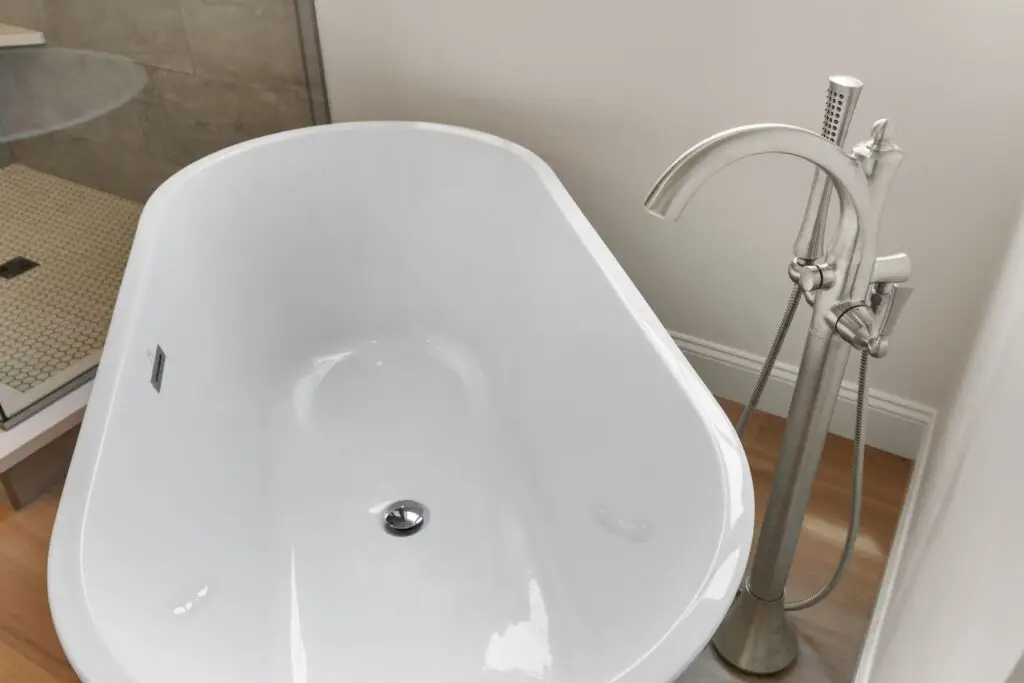
High-end conversions start around $18,000 and up, turning your bathroom into something genuinely special. These projects often feature freestanding or jetted tubs, custom tile work, premium fixtures, and high-end finishes throughout. Luxury remodels may also include enhanced waterproofing, heated floors, or accessibility features that blend seamlessly into the design.
What Factors Affect the Cost?
Not all conversions cost the same—and for good reason. Your final price tag depends on several moving parts, from the materials you choose to the specific challenges your bathroom presents. Here’s what drives the number up or down.
Tub Type and Material
Your choice of tub has the biggest impact on cost. A basic fiberglass alcove tub sits at the lower end of the spectrum, while cast iron soaking tubs cost significantly more. Freestanding tubs, jetted models, and accessibility-focused walk-in tubs push costs even higher. The tub itself isn’t just about looks—heavier materials like cast iron may require structural reinforcement, adding to labor costs.
Surround Materials and Finishes
What goes on your walls matters. Prefab fiberglass panels are the most budget-friendly option. Ceramic or porcelain tile costs more depending on size and complexity. Custom stone or high-end tile work represents the premium end of the range. More intricate patterns, specialty shapes, or waterproofing upgrades all add to the bottom line.
Plumbing Modifications
Sometimes your existing plumbing works as-is. Other times, it doesn’t. Moving drain locations, rerouting supply lines, or upgrading old galvanized pipes increases your project cost. If your home has outdated plumbing or the new tub requires different connections, expect additional costs for materials and labor.
Bathroom Size and Layout
Tight spaces cost more to work in. Smaller bathrooms mean slower progress, more careful maneuvering, and sometimes creative problem-solving. Larger spaces may require more materials but often move faster. Unusual layouts, awkward corners, or limited access can also increase labor time and complexity.
Demolition and Disposal
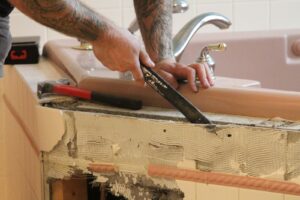
Before the new tub goes in, the old shower has to come out. Demo work varies in cost depending on what’s being removed and whether there’s underlying damage. Disposal fees, hauling, and any unexpected issues discovered during teardown (like water damage or mold) can push costs higher.
Labor and Installation
Labor makes up a significant chunk of your total cost. In the Mechanicsburg area, experienced contractors bring the expertise needed to handle plumbing connections, waterproofing, and finish work properly. Complex installations, custom work, or projects requiring multiple trades (plumbers, tile setters, electricians) will increase your labor costs.
Permits and Code Compliance
Most conversion projects in Mechanicsburg require permits. Cumberland County has specific building codes around plumbing, waterproofing, and ventilation. Working with a licensed contractor ensures your project meets local requirements and passes inspection—avoiding costly fixes down the road.
Permit costs are a small part of overall shower-to-tub conversion prices Mechanicsburg homeowners pay, but skipping them can lead to problems when you sell your home or file an insurance claim.
How to Make Your Conversion More Affordable
A bathroom conversion doesn’t have to drain your savings. With some strategic planning and smart choices, you can keep your project on budget without sacrificing quality or durability.
Choose Standard Tub Sizes
Sticking with standard alcove tub dimensions means less custom work and lower material costs. Stock sizes fit most bathrooms without structural modifications, reducing both labor hours and potential complications. Custom sizing sounds appealing but drives up your Mechanicsburg shower-to-tub conversion cost significantly.
Schedule During Off-Peak Seasons
Winter and early spring tend to be slower for remodeling contractors. Scheduling your conversion during these months often results in better pricing and more flexible timelines. You’ll also get faster project completion since contractors aren’t juggling multiple summer jobs at once.
Keep Plumbing in Place
Avoid moving drain locations or rerouting water lines whenever possible. Working with your existing plumbing configuration saves on labor and materials. If your current setup works with the new tub, you’ll cut days off the timeline and hundreds off the bill.
Select Mid-Grade Materials
You don’t need top-tier everything. Mid-grade tubs and tile offer excellent durability and appearance at reasonable prices. Splurge on one or two visible features—like a nice faucet or accent tile—and go practical everywhere else. The result still looks great.
Phase the Project
Breaking your conversion into stages can ease budget pressure. Start with the essential tub installation and basic finishes, then add upgrades like premium tile or new lighting later. Phasing lets you spread costs over time while still getting a functional bathroom immediately.
Get Multiple Estimates
Always request quotes from at least three licensed contractors. Compare what’s included—materials, labor, timeline, warranty—not just the bottom line. A slightly higher bid might include better materials or more thorough prep work. Informed comparisons help you find real value, not just low numbers.
FAQs About Shower-to-Tub Conversion Costs
Before you commit to a conversion, it helps to know what you’re getting into. Here are the questions we hear most often from homeowners.
How Long Does a Shower-to-Tub Conversion Take?
Most conversions take as little as one day. The timeline depends on your bathroom’s complexity, material choices, and whether you’re doing additional updates. Simple replacements move faster, while custom tile work or plumbing modifications extend the schedule. Your contractor should provide a realistic timeline during the estimate.
Does a Conversion Add Value to My Home?
It can, especially if your home targets families with young children or buyers looking for full bathing options. Homes with at least one bathtub typically appeal to a broader buyer pool than shower-only properties. The return on investment varies, but functional bathrooms always help during resale.
Can I Convert My Shower to a Tub in a Small Bathroom?
Yes, as long as you have the minimum required space—typically around 60 inches in length and 30 inches in width for a standard alcove tub. Small bathrooms often work well for conversions since most showers already occupy the right footprint. Your contractor can assess whether your space accommodates a tub comfortably.
Do I Need a Permit for a Shower-to-Tub Conversion in Mechanicsburg?
Most conversions require permits, especially when plumbing modifications are involved. Cumberland County enforces building codes around plumbing, waterproofing, and electrical work. Licensed contractors typically handle permit applications and inspections as part of the project. Skipping permits can create issues during home sales or insurance claims.
What’s the Difference Between a Conversion and a Full Bathroom Remodel?
A conversion swaps your shower for a tub within the existing bathroom footprint, keeping most other elements in place. A full remodel changes the entire space—layout, fixtures, flooring, lighting, and more. Conversions cost significantly less since they’re focused on one specific update rather than rebuilding everything.
Will I Need to Upgrade My Plumbing?
It depends on your home’s age and current plumbing condition. Many conversions work with existing lines, but older homes with galvanized pipes or outdated drain systems may need upgrades. Your contractor will assess your plumbing during the estimate and recommend any necessary improvements for code compliance and long-term reliability.
Can I Keep My Current Tile or Surrounds?
Rarely. Removing a shower typically damages surrounding tile and waterproofing, making replacement necessary. Even if some tile survives demo, matching discontinued patterns or styles is difficult. Most conversions include new surrounds—whether prefab panels or custom tile—as part of the standard scope of work.
Get the Real Answer to What Your Project Costs
CalCo Design & Renovation has completed dozens of shower-to-tub conversions across Cumberland County. We’ll give you a transparent estimate, answer your questions honestly, and handle everything from demo to final inspection. Schedule a free consultation and find out exactly what your conversion will cost—no pressure, no sales pitch.