That bathtub in your master bathroom looked great when you bought the house. But when’s the last time anyone actually used it?
For most homeowners, the answer is “months ago”—or maybe even years. Meanwhile, you’re climbing over the tub wall every morning just to take a quick shower, wasting valuable square footage on something that’s become more obstacle than amenity.
Whether you’re dealing with mobility concerns, craving a sleeker look, or simply tired of maintaining a tub nobody uses, converting to a walk-in shower can transform how your bathroom works.
But before you start planning, you need to know: how much does a tub-to-shower conversion cost in Mechanicsburg?
That number depends on more than just the shower pan and tile. Your existing plumbing setup, the style of shower you want, and even your bathroom’s layout all play a role in the final price.
This guide covers the real investment you’re looking at, what affects your total cost, and how to approach the project in a way that makes sense for your home and budget.
Average Cost of a Tub-to-Shower Conversion in Mechanicsburg
Knowing what other homeowners invest helps you set realistic expectations for your own project. The average cost of tub-to-shower conversion in Mechanicsburg typically runs between $13,000 and $18,000, with variables like shower size, material selection, and necessary structural adjustments affecting where you land in that range.
Basic Conversions
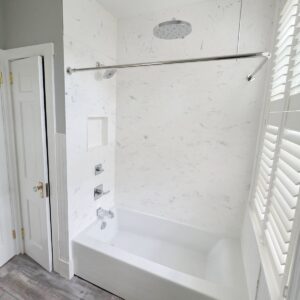
Basic projects usually cost between $13,000 and $14,000 and deliver a clean, functional shower without unnecessary complexity. These conversions often feature prefab shower bases, wall panel systems, and dependable hardware. It’s the right fit for homeowners prioritizing practicality and solid execution over custom design elements.
Mid-Range Conversions
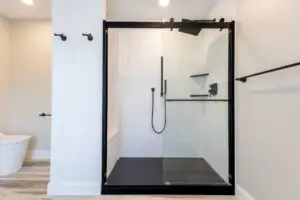
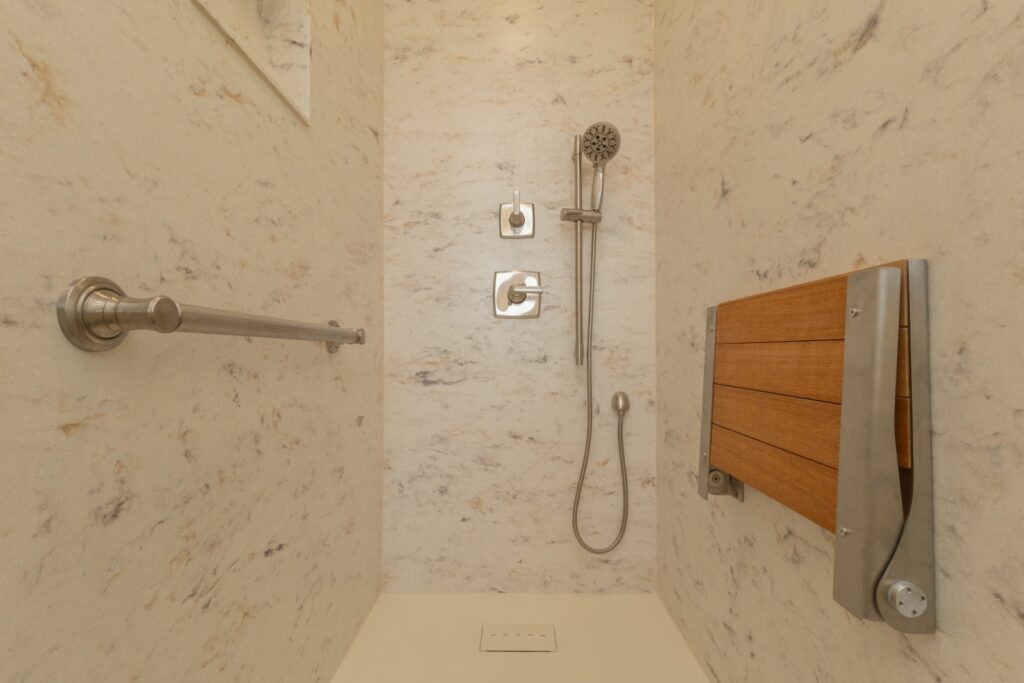
Mid-range conversions typically run $15,000 to $17,000 and open up more design flexibility. At this level, you’ll see tile work on walls or floors, frameless glass enclosures, quality fixtures, and thoughtful touches like built-in niches or bench seating. These projects balance aesthetics with budget, creating showers that feel intentional and well-designed.
Luxury Conversions
Premium conversions start around $18,000 and climb higher, delivering showroom-quality results. Expect custom tilework in multiple materials, rainfall or multi-head shower systems, high-end glass enclosures, and designer fixtures throughout. These projects often incorporate advanced features like steam capability, chromatherapy lighting, or seamless curbless entries for a true spa experience.
What Impacts Tub-to-Shower Conversion Pricing?
Every conversion comes with its own set of circumstances. Understanding what influences your final number helps you plan smarter and avoid surprises.
Shower Base and Pan Type
Your foundation choice sets the baseline for your project. Standard fiberglass bases offer affordability and straightforward installation. Tile-ready pans allow custom finishes but cost more. Curbless designs require additional waterproofing and floor modifications, pushing costs higher. The base impacts both materials and complexity.
Wall System and Tile Choices
Wall treatments span a wide cost spectrum. Solid surface panels install quickly at lower price points. Ceramic tile offers design versatility at moderate pricing. Porcelain, natural stone, or large-format tiles elevate appearance and cost. Complex patterns or multiple tile types increase expenses and installation time.
Glass Enclosure Options
How you contain water matters financially. Framed glass doors offer decent value with clean lines. Semi-frameless designs split the difference between cost and aesthetics. Frameless enclosures deliver high-end appearance but require heavier glass and precise installation, significantly impacting your budget and overall project investment.
Plumbing Adjustments
Sometimes existing connections transfer smoothly to the new shower. Other times, they don’t. Relocating valves, adding multiple shower heads, or updating corroded pipes adds expense. Older plumbing systems may need broader upgrades to meet current code requirements, especially around mixing valves and pressure balancing.
Structural Considerations
Removing a tub occasionally reveals underlying issues. Water damage to subfloors, outdated framing, or inadequate support require remediation before installation. Second-floor bathrooms may need reinforcement adjustments since showers weigh less than filled tubs. These structural realities affect both timeline and total investment significantly.
Fixture and Hardware Quality
Components you touch daily—valves, handles, shower heads—vary dramatically in price and performance. Builder-grade fixtures work economically. Mid-tier options offer better aesthetics and durability. Premium fixtures deliver superior function and design but carry matching price tags. Your selections directly influence initial cost and satisfaction.
Permits and Inspections
Cumberland County requires permits for conversions involving plumbing or structural changes. Licensed contractors manage this process, ensuring projects meet standards and pass inspections. Permit fees represent a small portion of overall tub-to-shower conversion prices Mechanicsburg homeowners pay, but proper permitting protects investments.
6 Ways to Lower Your Tub-to-Shower Conversion Cost
Smart planning can significantly reduce your project expenses without compromising quality or long-term durability.
Stick with Standard Shower Sizes
Standard dimensions typically work with existing plumbing and framing, eliminating custom fabrication costs. Prefab bases in these sizes install faster and cost less than custom-sized options. Unusual dimensions require specialized materials and additional labor, driving up your Mechanicsburg tub-to-shower conversion cost unnecessarily.
Plan for Off-Season Installation
Late fall and winter bring slower schedules for remodeling contractors in Cumberland County. Booking during these months often yields better rates and faster completion since crews aren’t managing multiple summer projects. You’ll benefit from undivided attention and potentially better pricing on both labor and materials.
Work with Existing Plumbing Locations
Keep your shower valves and drains where they already sit. Relocating plumbing requires opening walls, rerouting lines, and additional fixtures—all adding cost. If your current configuration works functionally, leaving it alone saves both money and time while delivering the same end result.
Mix Material Grades Strategically
Premium materials everywhere aren’t necessary for great results. Use budget-friendly wall panels or basic tile in less visible areas, then invest in standout features like a rainfall showerhead or frameless glass door. Strategic mixing creates visual impact where it counts while keeping overall expenses manageable.
Phase Your Upgrades
Complete the core conversion first—base, walls, basic fixtures—then add enhancements later. Install standard lighting now and upgrade to LED fixtures next year. Start with a good shower system and add body sprays down the road. Phasing spreads costs over time while giving you a functional shower immediately.
Compare Detailed Quotes
Request estimates from multiple licensed contractors, examining what each includes beyond the bottom line. Compare material specifications, warranty coverage, and project timelines carefully. The lowest bid isn’t always the best value—sometimes higher quotes include superior materials or more thorough preparation that saves money long-term.
FAQs About Tub-to-Shower Conversion Costs in Mechanicsburg
Here’s what Cumberland County homeowners typically want to know before starting their projects.
How Long Does a Tub-to-Shower Conversion Take?
Most conversions complete in as little as one day. The timeline depends on your chosen materials, plumbing complexity, and whether you’re doing additional bathroom updates. Custom tile work extends schedules, while prefab systems install faster. Your contractor will provide realistic timeframes during the estimate process.
Will Removing My Tub Hurt Resale Value?
Not necessarily. If your home has another full bathroom with a tub, converting one to a shower rarely impacts value negatively. Many buyers—especially empty nesters and younger homeowners—prefer walk-in showers. Homes marketed toward families with young children benefit from keeping at least one tub somewhere in the house.
Can You Convert a Tub to a Shower in Any Bathroom?
Yes, assuming adequate space and proper drainage. Most standard tubs provide enough room for comfortable shower dimensions. The bigger question involves your bathroom’s location and existing infrastructure. Second-floor bathrooms, homes on slabs, or spaces with complicated plumbing may require additional work, but conversions remain feasible with proper planning.
Do I Need a Permit in Mechanicsburg?
Most projects require permits, particularly when modifying plumbing or making structural changes. Cumberland County enforces codes around drainage, waterproofing, and fixture installation. Licensed contractors handle permit applications and coordinate inspections as standard practice. Skipping permits creates liability during home sales and potential insurance complications.
What Happens to the Space After Removing the Tub?
That depends on your shower design. Standard showers occupy similar footprints to tubs, using the space efficiently. Larger walk-in designs might expand into the former tub area, creating more showering room. Some homeowners add built-in storage, seating, or simply enjoy the increased openness a barrier-free design provides.
Will I Need New Bathroom Flooring?
Not always. If your existing floor extends under the tub and remains in good condition, you can often leave it intact. However, if flooring stops at the tub edge or shows water damage, replacement becomes necessary. Some homeowners use conversions as opportunities to update their entire bathroom floor for a cohesive, finished look.
Ready to Find Out What Your Conversion Actually Costs?
You’ve got questions about pricing, timeline, and whether your bathroom can handle the change. We’ve got answers. CalCo Design & Renovation will visit your home, assess your space, and provide a detailed quote based on your actual goals—not generic ballpark figures. Call us to schedule your free consultation and get the real numbers for your project.