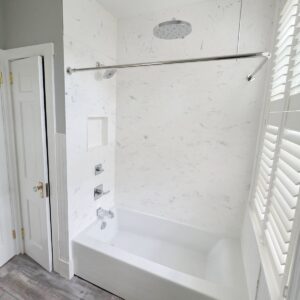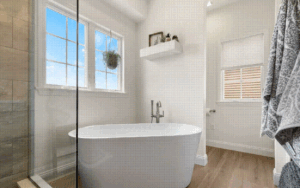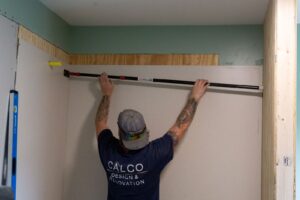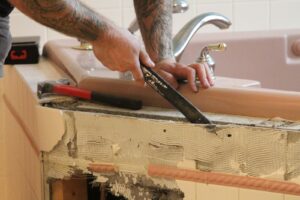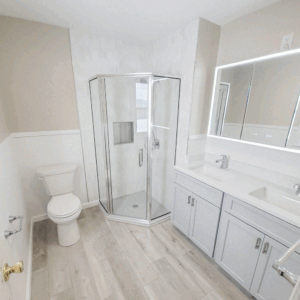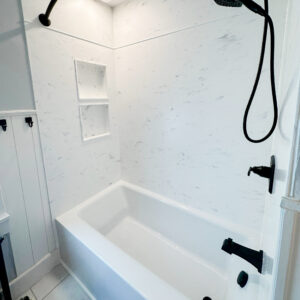
You’re standing in your bathroom, staring at that old tub you haven’t actually used in… what, three years?
Maybe longer.
The kids have grown up and moved out, or perhaps you’re dealing with mobility concerns that make stepping over that high tub wall feel less like a minor inconvenience and more like a genuine safety hazard.
Either way, you’ve made the decision: it’s time for a change.
But here’s where things get tricky.
You start searching online, and suddenly you’re drowning in conflicting information.
One contractor throws out a number that sounds reasonable. Another quote comes back nearly double. A neighbor swears they got theirs done for half of what you’re being quoted, while your sister-in-law paid what sounds like a small fortune for hers in King of Prussia.
So what’s the real answer to how much does a tub-to-shower conversion cost in Downingtown?
The truth is, it depends—but not in the frustrating, non-answer kind of way. There are specific factors that influence your final price tag, and understanding them upfront will help you budget appropriately, avoid surprises, and ultimately make the best decision for your home and your wallet.
In this guide, we’re breaking down everything you need to know about converting your tub to a shower in Downingtown, from basic conversions to luxury upgrades, so you can move forward with confidence.
What’s the Average Cost of a Tub-to-Shower Conversion in Downingtown?
Let’s cut straight to the numbers.
Most homeowners in Downingtown can expect to invest between $13,000 and $18,000 for a tub-to-shower conversion, though your specific project could fall outside this range depending on your choices and circumstances.
To help you understand where your project might land, we’ve broken down conversions into three tiers based on materials, features, and overall complexity.
Budget-Friendly Conversions
At the lower end of the spectrum—typically $13,000 to $14,500—you’re looking at straightforward conversions using quality but cost-effective materials. This tier usually includes prefabricated acrylic or fiberglass shower bases and wall surrounds, standard chrome fixtures, a basic glass door or curtain setup, and essential plumbing modifications.
These conversions are clean, functional, and significantly more accessible than your old tub, but they don’t include premium finishes or custom features. For many Downingtown homeowners, especially those updating rental properties or working within tighter budgets, this option delivers excellent value without sacrificing quality or durability.
Mid-Range Conversions
The middle tier—ranging from $14,500 to $16,500—is where most homeowners land, and for good reason. This is where you start incorporating higher-quality materials and thoughtful upgrades that enhance both function and aesthetics.
Think tile surrounds instead of prefabricated panels, upgraded shower fixtures with multiple spray settings, built-in niches or benches, improved drainage systems, and frameless or semi-frameless glass enclosures.
The average cost of tub-to-shower conversion in Downingtown falls squarely in this range because it strikes the right balance between quality, customization, and investment protection for your home’s value.
Premium Conversions
High-end conversions start around $16,500 and can extend well beyond $18,000, especially when you’re working with luxury materials and custom designs.
These projects might feature floor-to-ceiling natural stone or designer tile, rainfall showerheads paired with body sprays and handheld units, custom frameless glass enclosures, heated floors, built-in steam features, upgraded waterproofing systems like Schluter or RedGard, and extensive tile work with intricate patterns or borders.
If your Downingtown home is in one of the area’s more established neighborhoods—like Brandywine or Ashton—and you’re matching the caliber of your other recent renovations, a premium conversion might be the right fit.
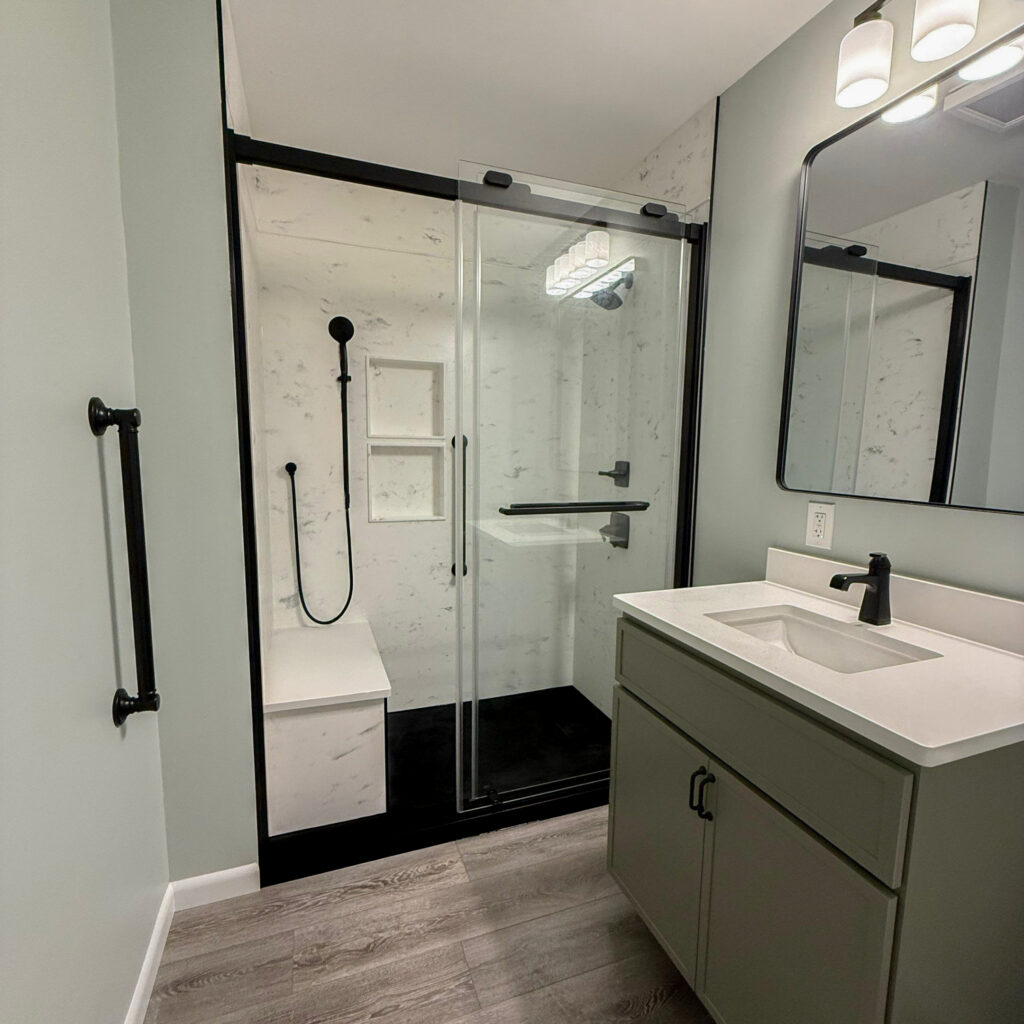
What Factors Affect the Cost of a Tub-to-Shower Remodel?
Understanding the price range is one thing, but knowing why one conversion costs $13,000 while another pushes past $20,000 is what actually helps you make informed decisions.
The tub-to-shower conversion prices Downingtown homeowners encounter aren’t arbitrary—they’re shaped by specific project variables that you have some control over. Let’s break down the key factors that will influence your final investment.
Materials and Finishes
This is often the single biggest cost driver in any bathroom remodel. A prefabricated acrylic shower pan might run you a few hundred dollars, while a custom-tiled shower floor with marble or porcelain could easily cost several thousand. The same goes for your walls—acrylic surrounds are budget-friendly and low-maintenance, whereas extending 12×24 porcelain tile from floor to ceiling creates a completely different aesthetic and price point.
Your fixtures matter too. A basic chrome shower valve and showerhead will get the job done, but upgrading to brushed nickel, matte black, or oil-rubbed bronze finishes can add hundreds to your budget. Adding body sprays or a rainfall head pushes costs even higher, sometimes $500 to $2,000 or more depending on your selections.
Plumbing Modifications
Sometimes you get lucky and the existing plumbing lines up perfectly with your new shower configuration. Other times, not so much. If your current tub’s plumbing needs to be relocated, if you’re adding multiple shower fixtures that require new supply lines, or if your home’s older plumbing needs updating to meet current code requirements, those labor hours add up quickly.
Downingtown has plenty of homes built in the 1960s through 1990s, and while they’re solid houses, they sometimes need plumbing upgrades during renovations. Unexpected issues like corroded pipes or outdated valve systems discovered during demolition can also impact your timeline and budget, potentially adding several hundred to a few thousand dollars to your project.
Structural and Accessibility Features
Are you keeping things simple, or are you adding features that require additional framing and structural work? Built-in benches, recessed niches, and custom ledges all need proper support and waterproofing, which means more materials and labor. Each of these convenience features can add $300 to $800 or more, depending on materials and complexity.
If you’re specifically converting your tub to a walk-in shower for mobility reasons—eliminating the curb entirely or installing a minimal-threshold design—that requires careful attention to waterproofing and drainage to prevent water from escaping. Grab bars, non-slip flooring, and wider entry points also factor into the cost to convert a tub to a shower in Downingtown when accessibility is a priority.
Size and Layout Complexity
A standard 60-inch tub alcove that’s being converted to a shower of the same footprint is straightforward. But if you’re expanding the shower area, reconfiguring the bathroom layout, or dealing with an unusual space that requires custom solutions, expect to pay more. Larger showers mean more tile, more waterproofing, more glass, and more labor.
If your conversion involves moving walls, relocating doors, or reworking electrical for new lighting or ventilation, those changes extend both your timeline and your costs. Even something as seemingly simple as dealing with an older home’s plaster walls instead of drywall can add complexity and expense to the project.
Glass Enclosure Style
Your shower door or enclosure is more than just functional—it’s a major visual element that impacts both your budget and your bathroom’s overall aesthetic. A basic shower curtain setup is the most economical option, while framed glass doors offer a clean look at a moderate price point, typically adding $400 to $800 to your project.
Semi-frameless and frameless glass enclosures create that modern, spa-like feel many homeowners want, but they come with a higher price tag—often $1,200 to $2,500 or more. The thicker glass, custom measurements, and specialized hardware required for frameless designs mean you’re investing in both durability and design. How expensive a tub-to-shower conversion in Downingtown is depends on these finishing touches.
Waterproofing and Prep Work
You won’t see this work once your beautiful new shower is complete, but it’s absolutely critical to preventing catastrophic water damage down the line. Professional-grade waterproofing systems like RedGard or Schluter membranes cost more upfront but provide essential protection for your investment. Proper substrate preparation, including cement board installation and sealing, ensures your tile work stays secure for decades.
If your existing bathroom has water damage, mold, or structural issues that need remediation before the conversion can begin, those repairs add to your bottom line. While it’s tempting to cut corners on the hidden work, skimping on waterproofing is one of the most expensive mistakes you can make in bathroom remodeling.
How to Make Your Conversion More Affordable
Let’s be real—not everyone has an unlimited budget for their bathroom remodel, and that’s perfectly fine.
The good news is that you can still get a beautiful, functional shower conversion without maxing out your credit cards or draining your savings account. The Downingtown tub-to-shower conversion cost you ultimately pay has a lot to do with the choices you make during the planning phase.
Here are some practical strategies to keep your project within budget without sacrificing quality or durability.
Choose Cost-Effective Materials
You don’t need Carrara marble to create a beautiful shower. High-quality porcelain tiles that mimic natural stone offer the look you want at a fraction of the price, often saving you $1,000 to $3,000 compared to genuine marble or granite. Prefabricated acrylic or composite shower bases are significantly less expensive than custom-tiled pans and they’re easier to maintain long-term.
Consider mixing materials strategically—use eye-catching tile as an accent strip or on one feature wall, then opt for simpler, less expensive tile on the remaining surfaces. This approach delivers visual interest without the premium price tag. Similarly, choosing quality mid-range fixtures instead of luxury brands can save hundreds while still providing reliable performance and attractive finishes.
Minimize Plumbing Changes
One of the fastest ways to inflate your budget is moving plumbing lines around. Whenever possible, keep your shower fixtures in roughly the same location as your existing tub fixtures. This reduces the amount of demolition, pipe rerouting, and wall repair required, which directly translates to lower labor costs.
If you’re considering adding multiple body sprays or a complex multi-function shower system, ask yourself if you’ll actually use these features regularly. A quality rainfall showerhead and handheld combo might satisfy your needs without requiring extensive new plumbing runs. Every connection point you eliminate is money saved on both materials and installation time.
Work Within Your Existing Footprint
Expanding your shower area beyond the current tub’s footprint might seem like a small change, but it can significantly increase costs. Moving walls, extending tile work, relocating fixtures, and adjusting drainage all add up quickly. Most 60-inch tub alcoves convert beautifully into comfortable showers without requiring any structural modifications.
If your bathroom layout works reasonably well as-is, embrace it. Focus your budget on quality materials and finishes within the existing space rather than reconfiguring the room. You’ll get a gorgeous new shower without paying for carpentry, drywall work, and the cascading effects those changes create throughout the project.
Do Your Own Demo Work
If you’re reasonably handy and have some free time, consider handling the demolition yourself. Removing the old tub, tearing out tile and drywall, and cleaning up the debris doesn’t require specialized skills—just elbow grease and proper safety equipment. Many contractors will reduce their labor charges if you deliver them a clean, demo’d space ready for the build phase.
Just be careful not to overstep your abilities. Leave anything involving plumbing shutoffs, electrical work, or structural elements to the professionals. The money you save on demo labor can easily disappear if you accidentally damage something that requires expensive repairs. Know your limits and communicate clearly with your contractor about what you’re comfortable tackling.
Consider Timing Your Project Strategically
Contractors, like most businesses, have busy seasons and slower periods. Late fall and winter months are often less hectic for remodeling companies in Downingtown, which might give you more negotiating leverage or access to better scheduling. Some contractors offer discounts during their slower periods to keep their crews working steadily throughout the year.
Additionally, planning your project well in advance gives you time to shop for materials during sales, compare quotes from multiple contractors without feeling rushed, and make thoughtful decisions rather than impulse choices. That extra planning time often results in better pricing and fewer costly mid-project changes when you realize something isn’t quite what you wanted.
Skip Unnecessary Luxury Features
Be honest about which features you’ll actually use versus which ones just sound nice. Built-in steam generators, chromotherapy lighting, digital shower controls, and heated floors are undeniably luxurious, but they also add thousands to your tub-to-shower conversion cost in Downingtown. If you’re working within a tighter budget, these are the first items to cut.
Focus instead on the fundamentals—proper waterproofing, quality tile installation, reliable fixtures, and adequate lighting and ventilation. You can always add luxury upgrades down the road if your budget allows, but getting the bones of your shower right the first time is what really matters for longevity and satisfaction.
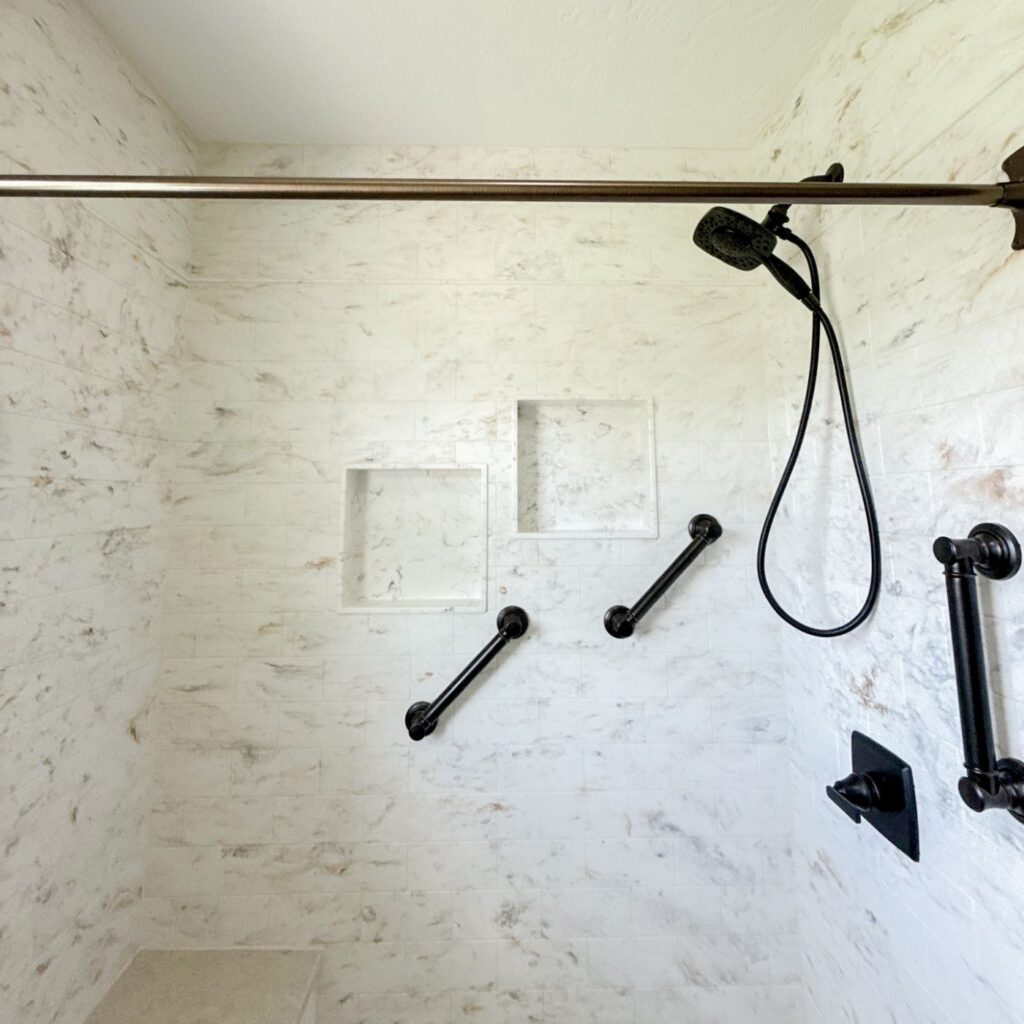
Downingtown Tub-to-Shower Conversion Cost FAQs
You’ve got questions, and we’ve got answers. Here are some of the most common concerns Downingtown homeowners have when considering a tub-to-shower conversion, along with straightforward information to help you move forward with confidence.
How Long Does a Tub-to-Shower Conversion Take?
The timeline varies based on your project’s complexity, but straightforward conversions can be completed in as little as one day with certain prefabricated systems. Custom projects involving extensive plumbing modifications, structural changes, or high-end finishes might take longer.
Will I Need a Permit for My Conversion?
Most conversions in Downingtown require a building permit, especially when the work involves plumbing modifications, electrical changes, or structural alterations. Your contractor should handle the permit application process and ensure all work meets Pennsylvania building codes. Unpermitted work can create serious issues when selling your home or filing insurance claims after water damage.
Can I Convert My Only Bathtub to a Shower?
You absolutely can, but consider the implications if you plan to sell your home in the future. Many families with young children specifically look for homes with at least one bathtub. However, if your household doesn’t need a tub, the improved functionality and accessibility might outweigh potential resale concerns, especially in established Downingtown neighborhoods where most buyers are empty-nesters.
Do I Need to Upgrade My Bathroom Ventilation?
Proper ventilation is crucial for preventing mold and moisture damage, and showers generate more sustained humidity than baths. If your existing exhaust fan is older, undersized, or not functioning efficiently, upgrading it during your project is smart. Modern bathroom fans are quieter, more effective, and often include humidity sensors that automatically activate when moisture levels rise.
What Happens If You Find Water Damage During Demo?
It’s not uncommon to discover hidden water damage, mold, or rotted framing once the old tub and surround are removed, especially in older Downingtown homes. Reputable contractors will document any issues, explain your options, and provide pricing for necessary repairs before proceeding. While this adds to your costs, addressing underlying problems protects your investment from future expensive damage.
Should I Replace My Bathroom Flooring at the Same Time?
If your bathroom flooring is outdated, damaged, or doesn’t complement your new shower design, tackling it during your project makes sense. The contractor is already working in your bathroom, so coordinating flooring replacement is more efficient than doing it separately later. However, if your existing floor is in good condition and you’re satisfied with it, there’s no requirement to replace it.
How Do I Choose Between a Curbed and Curbless Shower?
Traditional curbed showers contain water effectively and work well in most bathrooms without special drainage considerations. Curbless or low-threshold showers create a seamless, accessible design ideal for aging in place or accommodating mobility challenges, but they require careful planning for proper drainage and waterproofing. Your bathroom’s existing floor structure will influence which option is feasible for your situation.
Ready to Find Out What Your Project Will Actually Cost?
Every bathroom is different, and generic price ranges only tell you so much. The best way to get an accurate number is a free consultation where we can assess your space, discuss your vision, and provide a transparent quote based on what you actually want. CalCo Design & Renovation serves Downingtown homeowners with honest pricing and no-pressure conversations. Let’s talk about your project today!