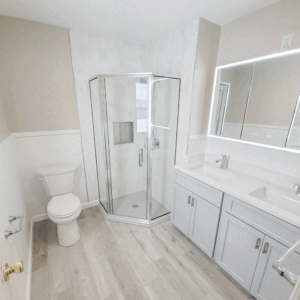
Let’s be honest—that cramped, builder-grade shower stall you inherited with your Downingtown home seemed fine at first.
But now?
You’re realizing what you’re missing.
No option for a relaxing soak after a long day. No way to give your kids a proper bath without wrestling them into an awkward seated position.
And if you’re thinking about selling down the line, you know that homes without at least one bathtub can be a harder sell to families.
Sound familiar?
You’re not alone. Homeowners across Chester County are discovering that while walk-in showers have their place, there’s real value—both practical and financial—in having a functional bathtub in your home.
Whether you’re in one of Downingtown’s charming historic Victorians near the borough center or a newer construction home in the surrounding townships, that underused shower stall represents an opportunity to add functionality, increase your home’s appeal to future buyers, and create the soaking tub you’ve been craving.
But before you start planning tile patterns and shopping for freestanding tubs, you’re probably asking the most important question: how much does a shower-to-tub conversion cost in Downingtown?
The answer isn’t as straightforward as you might hope, but that’s exactly why we’re here.
This guide will walk you through every factor that influences your project cost, from the basics of demolition and plumbing adjustments to the tub styles and finishes that can transform a simple conversion into a luxurious retreat. By the end, you’ll have the knowledge you need to budget confidently and make informed decisions about your bathroom renovation.
Let’s dig in.
What’s the Average Cost of a Shower-to-Tub Conversion in Downingtown?
If you’re looking for a ballpark figure to start your planning, most homeowners in the Downingtown area can expect to invest between $13,000 and $18,000 for a complete shower-to-tub conversion.
But here’s the thing—that range exists for a reason. Your final cost depends entirely on the scope of work, the tub style you select, the surrounding finishes, and the level of customization you’re after.
To help you understand where your project might land, let’s break this down into three distinct tiers. Each represents a different approach to the conversion, from straightforward alcove tub installations to full-scale luxury bathroom upgrades.
Budget-Friendly Conversions
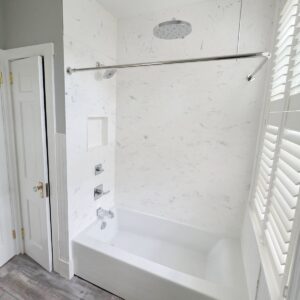
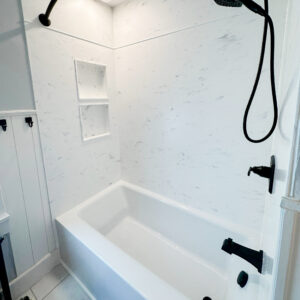
At the lower end of the spectrum, you’re looking at a functional, no-frills transformation. This typically involves removing your existing shower, installing a standard alcove bathtub , adding prefabricated tub surround panels, and equipping the space with builder-grade fixtures and a basic tub/shower combo valve.
The average cost of shower-to-tub conversion in Downingtown for this tier usually falls between $13,000 and $15,000. You won’t get spa jets or custom tile work here, but you’ll get a clean, reliable bathtub that handles everything from quick showers to kids’ bath time.
This approach works particularly well for secondary bathrooms, homes being prepped for sale, or situations where you simply need to add bathing functionality without breaking the bank.
Mid-Range Transformations
Step up to the middle tier and you’ll start seeing some personality and quality. This is where most Downingtown homeowners land when they want a tub that looks intentional and feels like a real upgrade.
Expect a better-quality acrylic or cast iron tub, ceramic or porcelain tile surrounds instead of panels, upgraded fixtures with some style, and thoughtful touches like a tile border or contrasting accent tile. Projects in this range typically run $15,000 to $16,500 and strike that sweet spot between practical investment and aesthetic improvement.
You’re creating a bathing space that adds legitimate value to your home and makes your bathroom feel finished and cohesive.
Premium Custom Installations
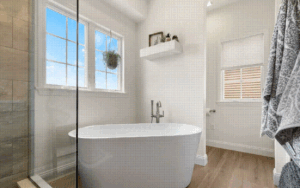
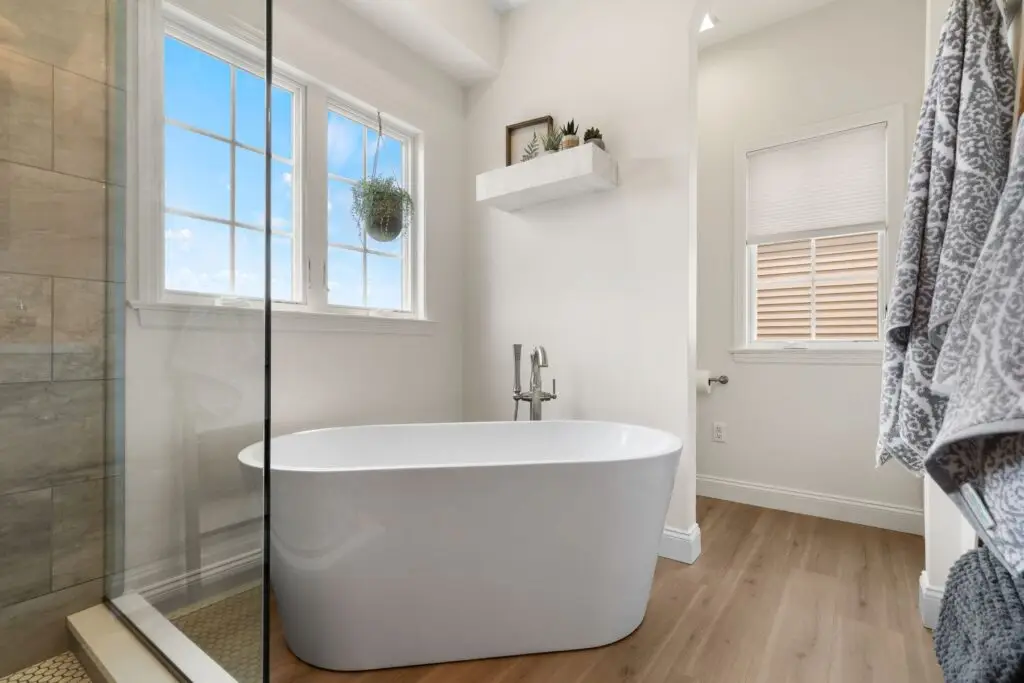
At the top tier, you’re building something truly special. We’re talking freestanding soaking tubs, jetted models with hydrotherapy features, large-format porcelain or natural stone tile work on the surrounding walls and floor, high-end fixtures from respected manufacturers, and custom details like decorative niches, heated floors, or statement tile patterns.
When you ask how expensive is a shower-to-tub conversion in Downingtown at this level, you’re looking at $16,500 to $18,000 or more, depending on just how custom you want to go.
These projects transform your bathroom into a genuine retreat and create the kind of luxurious bathing experience that makes coming home something you look forward to.
What Factors Affect the Cost?
Now that you understand the general price ranges, let’s talk about what actually drives those numbers. A shower-to-tub conversion isn’t a one-size-fits-all project, and dozens of variables can push your final invoice up or down.
Some of these factors are within your control—like the tub style you choose or the tile you select. Others depend on the existing conditions of your bathroom and the structural realities you’re working with. Understanding these cost drivers helps you make strategic decisions about where to splurge and where to save.
Tub Style and Material
The bathtub itself represents one of your biggest line items, and prices vary wildly depending on what you’re after. Basic fiberglass alcove tubs sit at the budget-friendly end of the spectrum, while cast iron models with superior heat retention cost considerably more.
Freestanding soaking tubs represent a significant step up in both price and visual impact, especially when you move into stone resin or specialty finishes like copper. Jetted tubs with hydrotherapy features add another layer of complexity and cost, with prices climbing based on the number of jets and quality of the pump system.
The shower-to-tub conversion prices Downingtown homeowners encounter often hinge on this single decision more than any other material choice.
Plumbing Modifications
Here’s where things get interesting—and potentially expensive. Converting a shower to a tub usually requires significant plumbing adjustments because the water supply and drain configurations are completely different.
Your shower likely has a floor drain positioned in one spot, but your new tub needs the drain located exactly where the manufacturer specifies. That might mean rerouting drain lines, adjusting trap locations, and potentially cutting into your subfloor or ceiling below.
If you’re adding a freestanding tub with floor-mounted faucets, you’ll need new supply lines run through the floor as well. Plumbing modifications can represent a substantial portion of your project budget depending on how much reconfiguration is required and how accessible your existing plumbing is.
Tile and Surround Materials
What goes on the walls around your new tub matters both aesthetically and financially. Prefabricated composite surround panels represent the most budget-friendly option, and they’re perfectly functional if you’re prioritizing cost over customization.
Ceramic tile work offers a step up in quality and appearance, while porcelain typically costs more per square foot but delivers superior durability. Natural stone like marble or travertine sits at the premium end of the spectrum, especially once you factor in proper sealing and the skilled labor required to install it correctly.
The amount of wall area you’re covering also plays a role—surrounding just the tub area costs less than tiling the entire bathroom from floor to ceiling.
Structural and Subfloor Work
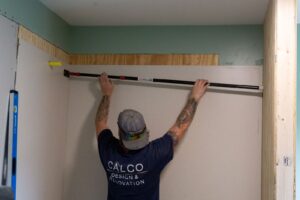
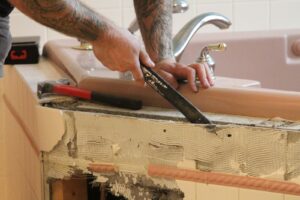
This is where surprise costs sometimes emerge. When contractors remove your existing shower pan and prepare for tub installation, they occasionally discover subfloor damage from previous water intrusion, joists that need reinforcement to support the weight of a filled bathtub, or framing issues that need correction.
A filled cast iron or large soaking tub weighs significantly more than a fiberglass shower base. If your floor framing wasn’t originally designed for that load, you’ll need structural reinforcement. These aren’t the most exciting expenses, but they’re essential for a safe, long-lasting installation.
Nobody wants these surprises, but they’re worth addressing properly rather than cutting corners and risking future problems.
Fixtures and Accessories
The hardware you choose affects both functionality and budget. Basic tub fillers and handheld shower combos sit at one end of the price spectrum, while deck-mounted or freestanding tub fillers from quality manufacturers represent a more substantial investment.
Add in extras like separate rain showerheads for tub/shower combos, thermostatic mixing valves for safety and comfort, luxury hand showers, or statement hardware finishes, and costs climb accordingly. These aren’t just aesthetic choices—quality fixtures perform better and last longer, which matters in a space that sees daily use and constant moisture exposure.
Labor and Installation Complexity
Finally, let’s talk about the people actually doing the work. Skilled bathroom renovation requires expertise across multiple trades—demolition, plumbing, carpentry, tile setting, and finish work. The cost to convert tub to shower in Downingtown (or in this case, shower to tub) includes not just materials but the craftsmanship that ensures everything is properly waterproofed, structurally sound, and built to last.
Labor typically represents a significant portion of your total project cost. More complex installations—like freestanding tubs requiring new plumbing runs, intricate tile patterns, or projects in older homes with quirky layouts—require more time and specialized skill, which increases costs accordingly. Working with experienced professionals costs more upfront but saves you from callbacks, warranty issues, and premature failures down the line.
How to Make Your Conversion More Affordable
Look, we get it—bathroom renovations aren’t cheap, and a shower-to-tub conversion represents a real investment. But that doesn’t mean you’re stuck with an all-or-nothing choice between blowing your budget and settling for something you’ll regret.
Smart homeowners find ways to control costs without sacrificing quality or long-term durability. The key is knowing where you can trim expenses strategically and where cutting corners will only cost you more down the road. Let’s walk through some practical approaches that can help you manage the Downingtown shower-to-tub conversion cost without compromising the integrity of your project.
Choose Your Tub Wisely
The tub itself is one of your biggest expenses, and this is where you have real control. If you’re working within a tighter budget, a quality alcove tub with a good warranty can deliver decades of reliable performance without the premium price tag of a freestanding model.
Fiberglass and composite materials offer excellent value and come in styles that look far more upscale than their budget-friendly predecessors. You don’t need a statement tub to create a functional, attractive bathroom—sometimes the simplest choice is the smartest one.
Save the freestanding soaking tub or jetted models for a future upgrade if budget is your primary concern right now.
Consider Surround Panels Over Full Tile
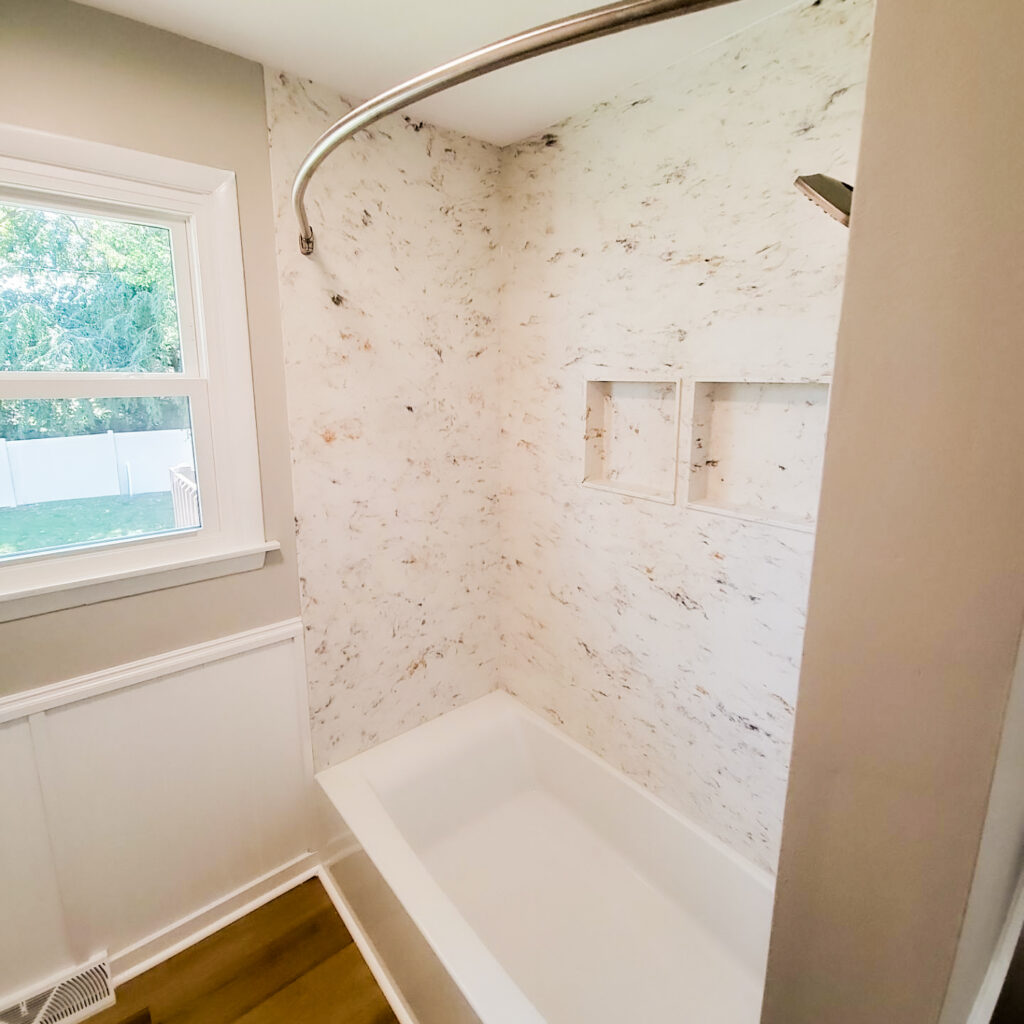
Custom tile work is gorgeous, but it’s also labor-intensive and expensive. If you’re looking to reduce costs, high-quality surround panels have come a long way in recent years. Modern options mimic the look of tile, stone, and even subway tile patterns, and they install faster with less risk of water intrusion.
You’ll sacrifice some customization options, but you’ll also cut your material and labor costs substantially. This is especially smart for secondary bathrooms or homes where you’re prioritizing function over luxury finishes.
You can always invest in tile for a small accent area—like a decorative niche or border—to add visual interest without tiling entire walls.
Stick With Standard Fixtures
Premium fixtures are tempting, and they absolutely make a difference in how your bathroom looks and feels. But if you’re trying to control costs, this is one area where you can scale back without major consequences.
Mid-grade fixtures from reputable manufacturers perform reliably and look perfectly fine. You don’t need the top-of-the-line tub filler or the designer hand shower to create a bathroom that works well and looks put-together.
Focus your fixture budget on the items you’ll use most—like a quality tub spout and shower valve—and go simpler on the accessories.
Minimize Plumbing Reroutes
This is a big one. Plumbing modifications represent some of the most expensive labor on your project, so positioning your new tub to work with existing supply and drain lines wherever possible will save you real money.
Before you fall in love with a specific tub placement or style, talk to your contractor about what configuration makes the most sense given your current plumbing layout. Sometimes shifting a tub a few inches one direction or another can mean the difference between simple hookups and extensive rerouting.
Freestanding tubs that require floor-mounted faucets are beautiful, but they demand new plumbing runs that alcove tubs don’t. Keep that in mind during planning.
Be Strategic About Extras
Built-in benches, multiple niches, heated floors, custom lighting—all of these features enhance your bathroom, but they also add up quickly. If budget is a concern, prioritize the elements that matter most to how you’ll actually use the space.
You might decide that a single well-placed niche for toiletries is worth the investment, but heated floors can wait for a future project. Or maybe you’d rather put your money toward better tile quality and skip the built-in bench entirely.
There’s no wrong answer here—just make sure you’re spending intentionally on things that genuinely improve your daily experience rather than checking boxes because you think you should.
Work With One Contractor for Everything
Using a general contractor or bathroom specialist who manages all the trades—plumbing, electrical, tile, carpentry—typically costs less than hiring each trade separately. You’ll avoid coordination headaches, reduce scheduling delays, and benefit from streamlined communication.
A good contractor also has relationships with material suppliers and can often secure better pricing on fixtures, tile, and other materials than you’d get walking into a showroom on your own. That doesn’t mean you can’t be involved in selections, but let your contractor leverage their buying power on your behalf.
Downingtown Shower-to-Tub Conversion Cost FAQs
You’ve got questions, and we’ve got answers. Here are the most common concerns homeowners raise when they’re considering a shower-to-tub conversion in Downingtown. These quick responses should help clarify what to expect as you plan your project.
How Long Does a Shower-to-Tub Conversion Take?
Most installations take as little as one day for straightforward projects. More complex conversions involving custom tile, freestanding tubs, plumbing modifications, or structural work will require additional time. Your contractor can provide a more accurate timeline once they assess your specific bathroom and the scope of work you’re planning.
Do I Need Permits for a Shower-to-Tub Conversion?
Most shower-to-tub conversions in Downingtown require building permits, especially when you’re modifying plumbing or making structural changes. Your contractor should handle permit applications and inspections. Working without proper permits can create problems when you sell your home, so don’t skip this step even if it seems inconvenient.
Will a Tub Add Value to My Home?
Homes with at least one bathtub typically appeal to a broader range of buyers, particularly families with young children. While you won’t necessarily recoup your entire investment, having a functional tub prevents your home from being eliminated by buyers who consider bathtubs essential. It’s more about maintaining marketability than creating dramatic value increases.
Can I Convert a Walk-In Shower to a Tub?
Absolutely, though walk-in showers often occupy larger footprints than standard shower stalls, which gives you flexibility in tub selection. The conversion process is fundamentally similar—remove the shower, adjust plumbing as needed, install the tub, and finish surrounding surfaces. Larger spaces sometimes allow for tub-shower combinations that maximize functionality without sacrificing either feature completely.
Should I DIY or Hire a Professional?
Unless you have extensive plumbing, carpentry, and tile experience, hire professionals for this work. Shower-to-tub conversions involve waterproofing, structural considerations, code compliance, and precise installation techniques. Mistakes create expensive water damage, mold problems, and safety hazards. The money you save attempting DIY rarely justifies the risks involved, especially given that improperly installed bathrooms can be costly nightmares.
Can I Finance a Bathroom Conversion?
Many homeowners finance bathroom renovations through home equity loans, home equity lines of credit, personal loans, or contractor financing programs. Interest rates and terms vary significantly depending on the financing method and your creditworthiness. Shop around for the best rates, and make sure monthly payments fit comfortably within your budget before committing to any financing arrangement.
Your Space, Your Budget, Your Price
Your bathroom isn’t a cookie-cutter situation, and you shouldn’t settle for cookie-cutter pricing. CalCo Design & Renovation offers free consultations where we assess your space, discuss your goals, and provide honest estimates based on what your project actually requires. No pressure, no sales pitch—just clear answers from people who’ve been doing this work across Chester County for years. Ready to talk? Reach out and let’s get started.